

If you’ve started shopping for a diamond recently, you’ve probably had this moment.
You find a stone you love. The size looks right. The sparkle is beautiful. The price seems surprisingly reasonable. Then you notice the words “lab-grown.”
And suddenly, the questions begin.
Is it real?
Is it worth it?
Will it feel the same?
Am I making the right decision?
You’re not alone in that spiral. Almost every thoughtful buyer goes through it.
This guide is here to clear the noise and help you understand what actually matters when choosing between a lab-grown diamond and a natural diamond. At F. Silverman Jewelers, proudly named Best of Bergen Jewelry Winner three years in a row, we believe education should come first.
Whether you ultimately choose lab-grown or natural, the right diamond is the one that aligns with your priorities and feels right when you see it on your hand. Let’s walk through this together.
What Is a Lab-Grown Diamond?
At its core, a lab-grown diamond is a real diamond. Chemically. Physically. Optically.
The only difference is where it forms.
Natural diamonds develop deep within the earth over billions of years. Lab-grown diamonds are created in highly controlled environments that replicate those same heat and pressure conditions.
According to the Gemological Institute of America, lab-grown diamonds share the same chemical composition and crystal structure as natural diamonds. They are not simulants like cubic zirconia or moissanite. They are diamonds.
CVD vs HPHT in plain English
There are two primary methods for creating lab-grown diamonds, and while the names sound highly technical, the concepts behind them are fairly straightforward.
- HPHT (High Pressure High Temperature) mimics the natural environment where diamonds form deep within the earth. Scientists apply extreme heat and pressure to a tiny diamond seed, allowing carbon to crystallize around it. Think of it as accelerating what nature already does, just in a controlled setting.
- CVD (Chemical Vapor Deposition) takes a slightly different approach. A small diamond seed is placed in a sealed chamber filled with carbon-rich gas. When the gas is heated, carbon atoms separate and gradually attach themselves to the seed, building the diamond layer by layer. It is a more gradual growth process, almost like stacking microscopic sheets of carbon until a full crystal forms.
Both methods produce real diamonds with the same chemical structure and hardness as natural stones. The differences between HPHT and CVD are typically invisible to the naked eye. In fact, specialized gemological equipment is required to distinguish lab-grown diamonds from natural ones at all.
For most buyers, the production method is not something you will see or feel when wearing the diamond. It matters more for laboratories and grading professionals than for the person choosing a ring. What truly impacts beauty and sparkle is the quality of the cut, not whether the stone was formed in the earth or in a laboratory.

Are lab-grown diamonds “real”?
Yes, they are.
The Federal Trade Commission recognizes laboratory-created diamonds as diamonds when properly disclosed. Reputable labs such as GIA and IGI grade them just as they do natural stones. The more meaningful question isn’t whether they’re real. It’s whether they’re right for you.
Lab-Grown vs Natural: The 4 Differences That Matter
There are many opinions online, and if you’ve read enough Reddit threads, you’ve probably seen them all. But in real conversations with clients, four factors consistently guide the decision.
Appearance and quality
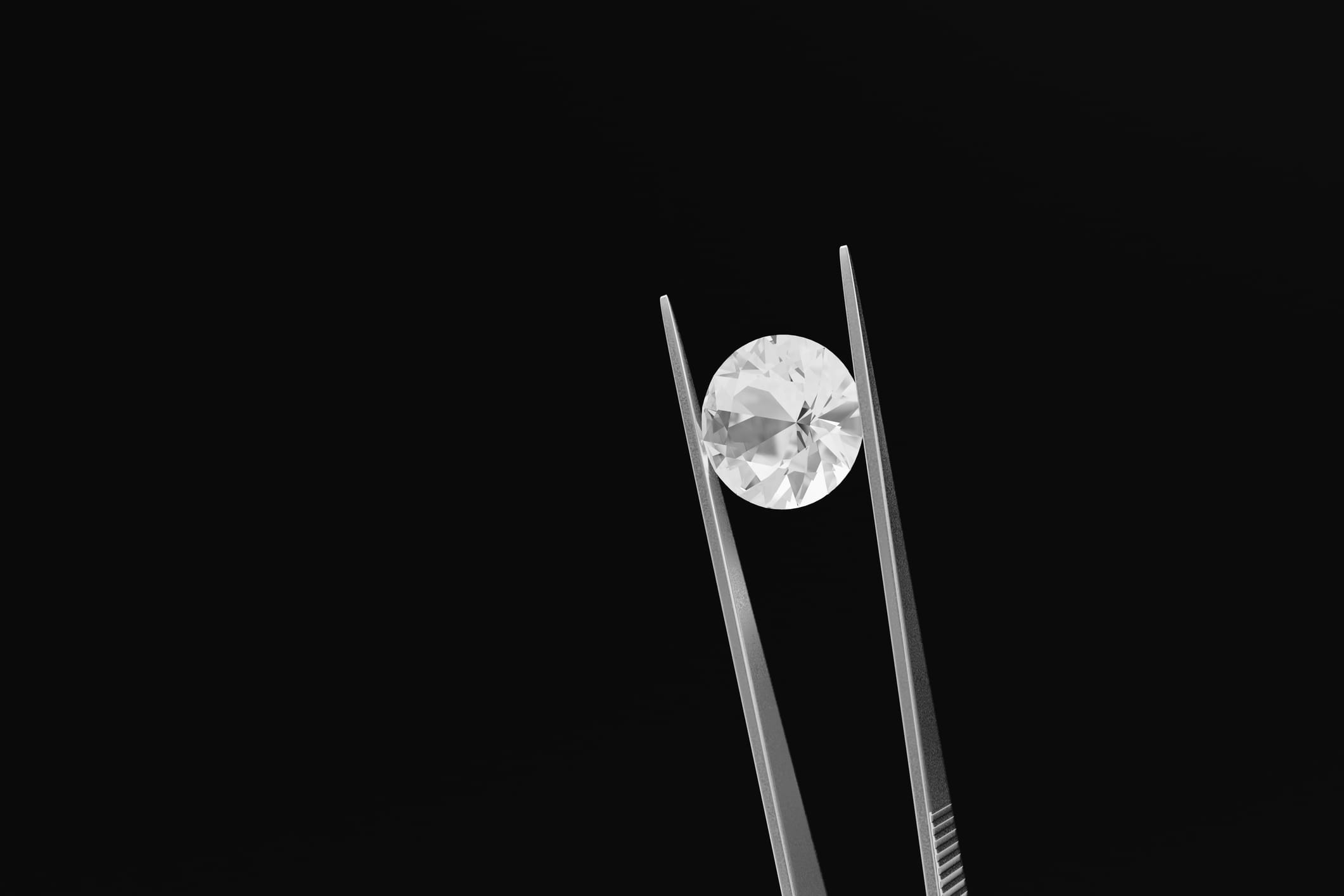
Visually, both look the same to the naked eye. Sparkle comes from cut quality, not origin. This is where understanding the 4Cs of a diamond becomes essential. Cut, color, clarity, and carat weight determine how a diamond performs in light. If you want a deeper explanation, our guide to understanding the 4Cs breaks down what truly impacts beauty.
One thing we often remind clients: a beautifully cut diamond will always look better than a larger, poorly cut one. Origin does not change that.
Certification and grading consistency
Both lab-grown and natural diamonds can be graded by respected laboratories such as GIA and IGI. The grading report will clearly state whether the diamond is laboratory-grown.
What matters most is transparency.
Always confirm:
- The grading lab
- The full 4Cs listed
- Laser inscription matching the report
Clarity in the paperwork builds confidence in your purchase.
Pros and Cons: The Honest Tradeoffs
There is no universally “better” option. There is only what best fits your priorities.
Price and size-per-dollar
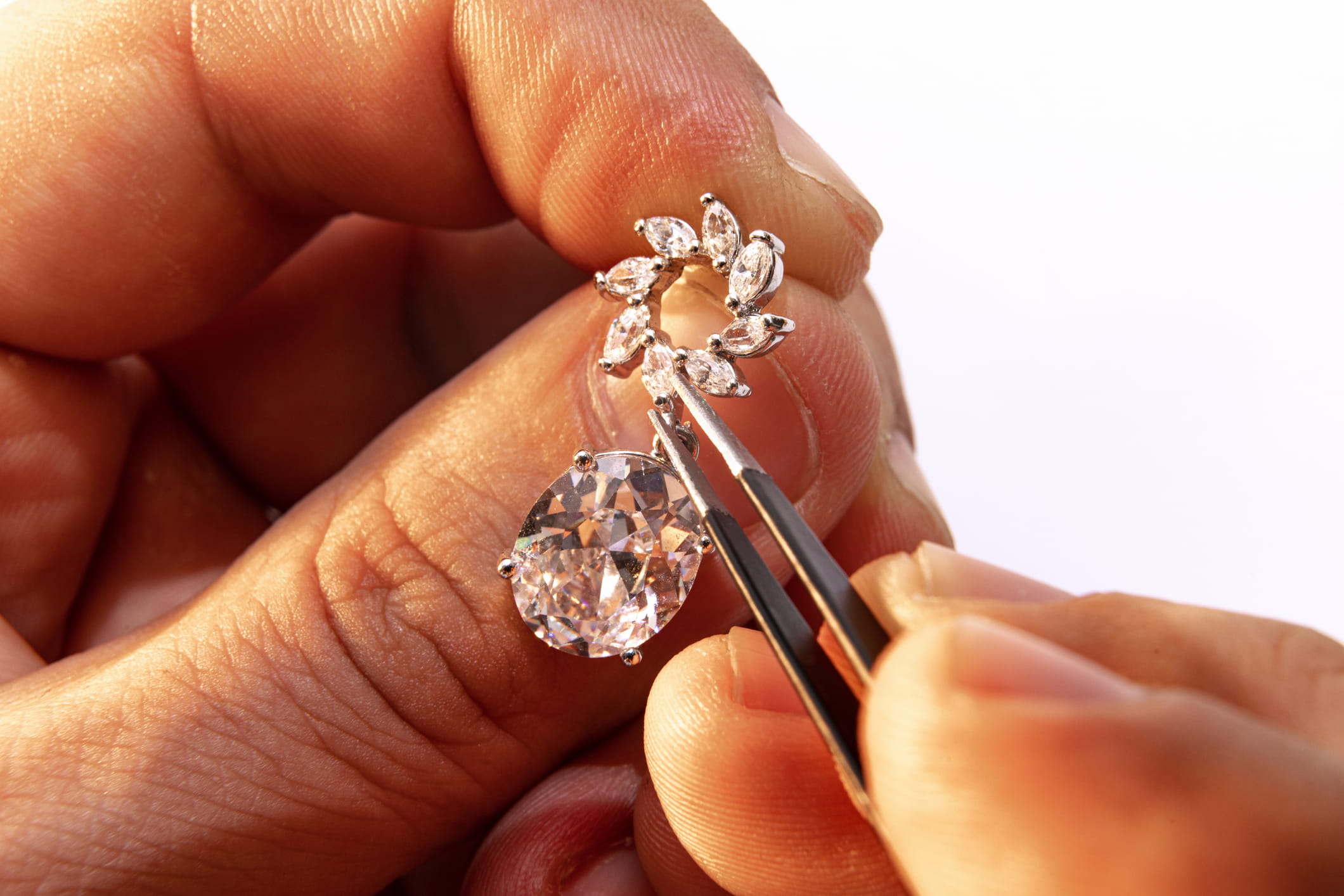
Lab-grown diamonds typically cost less than natural diamonds of comparable size and quality. That often means you can choose a larger carat weight or higher clarity within the same budget.
For some buyers, that flexibility is incredibly appealing. If you’ve always pictured a certain size, lab-grown may help you reach it more comfortably. Many couples exploring diamond rings are surprised by how much additional size they can afford within their original budget.
Long-term value and resale expectations
This is where natural diamonds tend to hold an advantage.
Natural diamonds are finite. Their rarity contributes to long-term market perception and resale demand. Lab-grown diamonds, because they can be produced in larger quantities, do not carry the same historical resale patterns.
That does not mean they lack meaning or beauty. It simply means the long-term value story is different. If heirloom potential and generational significance matter deeply to you, that may influence your decision.
Who Lab-Grown Is Best For
Lab-grown diamonds can be an excellent choice depending on what matters most to you.
Budget-first and size-first shoppers
If maximizing size within a set budget is your top priority, lab-grown diamonds are often worth serious consideration. They can help you increase carat weight, improve color or clarity, or allocate your budget toward a more intricate setting. For someone who prioritizes visual presence, that tradeoff can feel very practical and satisfying.
Values-first shoppers
Some buyers are drawn to lab-grown diamonds for sustainability reasons. It is important to approach those claims thoughtfully. Environmental impact varies across both mining operations and laboratory production methods. Energy sources, supply chains, and corporate transparency all matter.
If sustainability is central to your decision, ask detailed questions and look beyond broad marketing statements. A meaningful conversation will always reveal more than a tagline.
When Natural Diamonds May Be the Better Fit
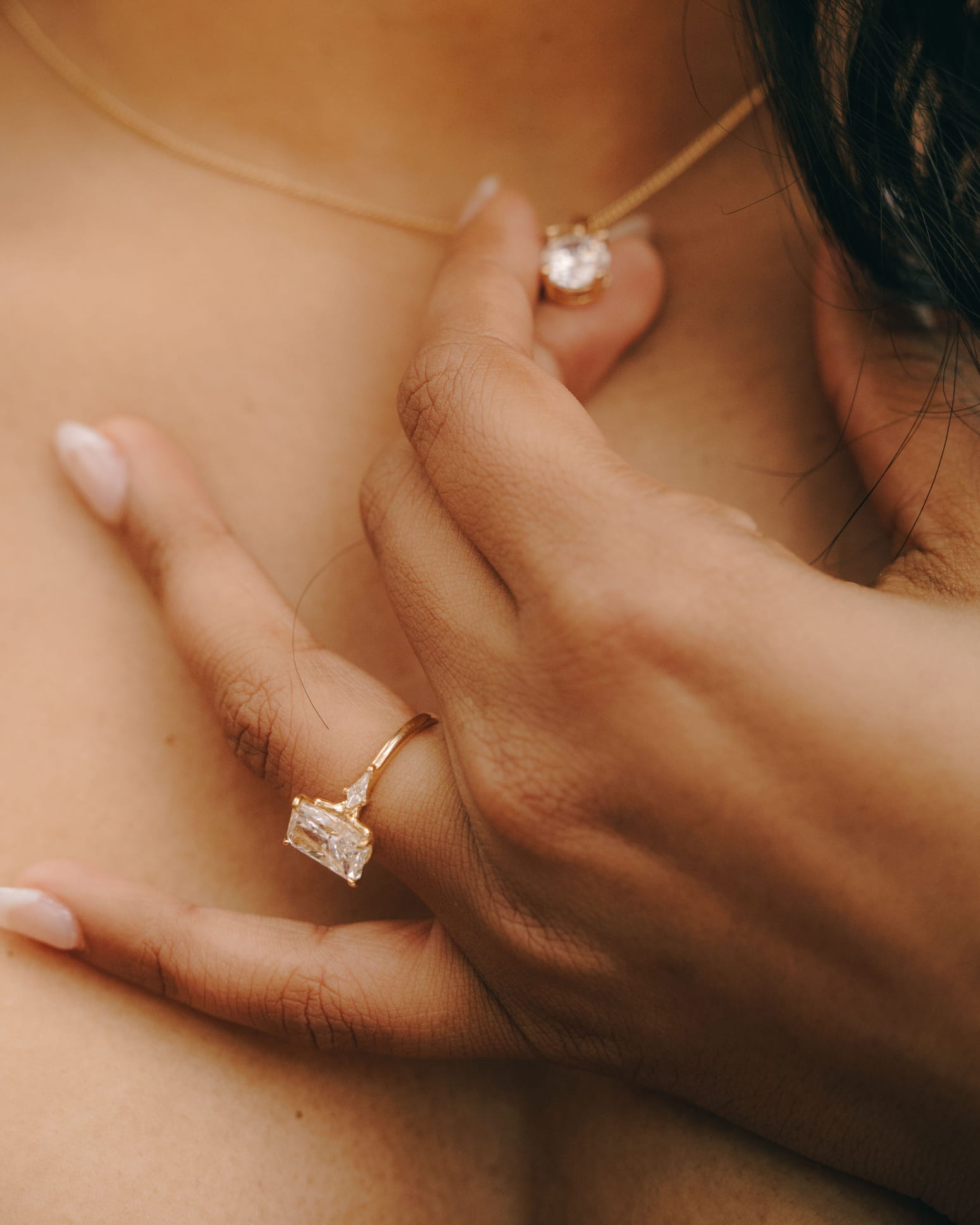
For many people, the emotional story behind a natural diamond carries weight. Formed over billions of years beneath the earth’s surface, natural diamonds symbolize endurance in a way that feels poetic to some couples.
If tradition, rarity, and heirloom significance resonate with you, a natural diamond may feel more aligned. This is especially true for clients building collections of fine diamond jewelry with the intention of passing pieces down through generations. Sometimes, the decision is less about specifications and more about sentiment.
How to Choose a Lab-Grown Diamond That Looks Great
If you decide that a lab-grown diamond aligns with your goals, focusing on quality fundamentals will make all the difference.
The 4Cs priorities for lab-grown
Cut remains the most important factor. Aim for Excellent or Ideal cut grades whenever possible.
For color, many buyers feel comfortable in the G–H range. For clarity, VS1 or VS2 often provides excellent visual performance without paying for characteristics you cannot see without magnification.
Revisiting the principles behind the 4Cs of diamonds can help you balance beauty and budget with confidence.
What to verify on a grading report
Before purchasing, confirm:
- The grading laboratory
- Full 4Cs
- Laser inscription
- Clear disclosure that the diamond is lab-grown
If you ever find yourself unsure about terminology, even questions like are diamond accents real are worth clarifying before you commit. There is no such thing as asking too many questions when it comes to something this meaningful.
Next Steps: Compare Options at F. Silverman Jewelers
Choosing between lab-grown vs natural diamonds does not have to feel overwhelming. The right answer depends on your budget, your values, your timeline, and the story you want your diamond to tell. There is no one-size-fits-all solution.
At F. Silverman Jewelers, we believe the best decisions are made side by side, seeing the options in person and asking every question you need to ask. As a Best of Bergen Jewelry Winner three years in a row, we are proud to guide our clients with honesty, patience, and expertise.
If you are ready to explore both options in a relaxed, informative setting, we invite you to contact F Silverman Jewelers. We would be honored to help you choose a diamond that feels beautiful, meaningful, and completely right for you.